Awanima & Q'eqchi Cacao

Awanima cacao comes directly from Tuqtuquilal a Q'eqchi farmers cooperative of 109 families in Lanquín, Guatemala.
The finest quality

Guatemalan Cacao from the heart of the forrest

Medicinal foods that respect their origins, grown in family food forests in the mountains of Guatemala.

Sourcing

Awanima cacao comes directly from Tuqtuquilal a Q'eqchi farmers cooperative of 109 families in Lanquín, Guatemala.

Biodiverse Ecosystems

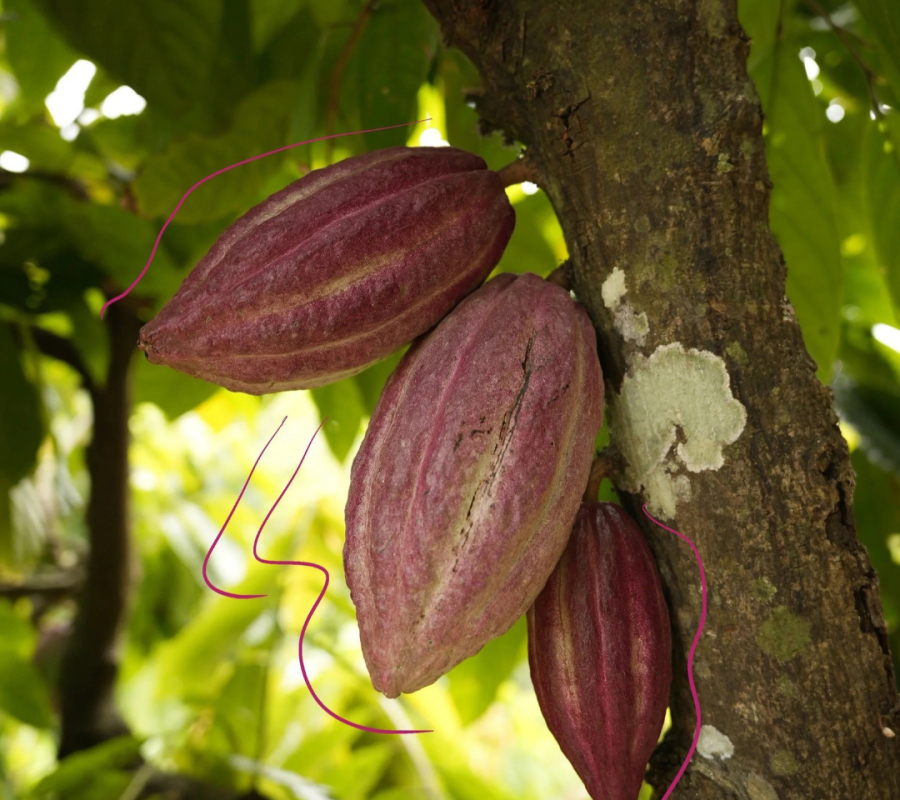
 Q'eqchi cacao is grown within an agro-forestry system, around other fruits, herbs and native trees.


Production

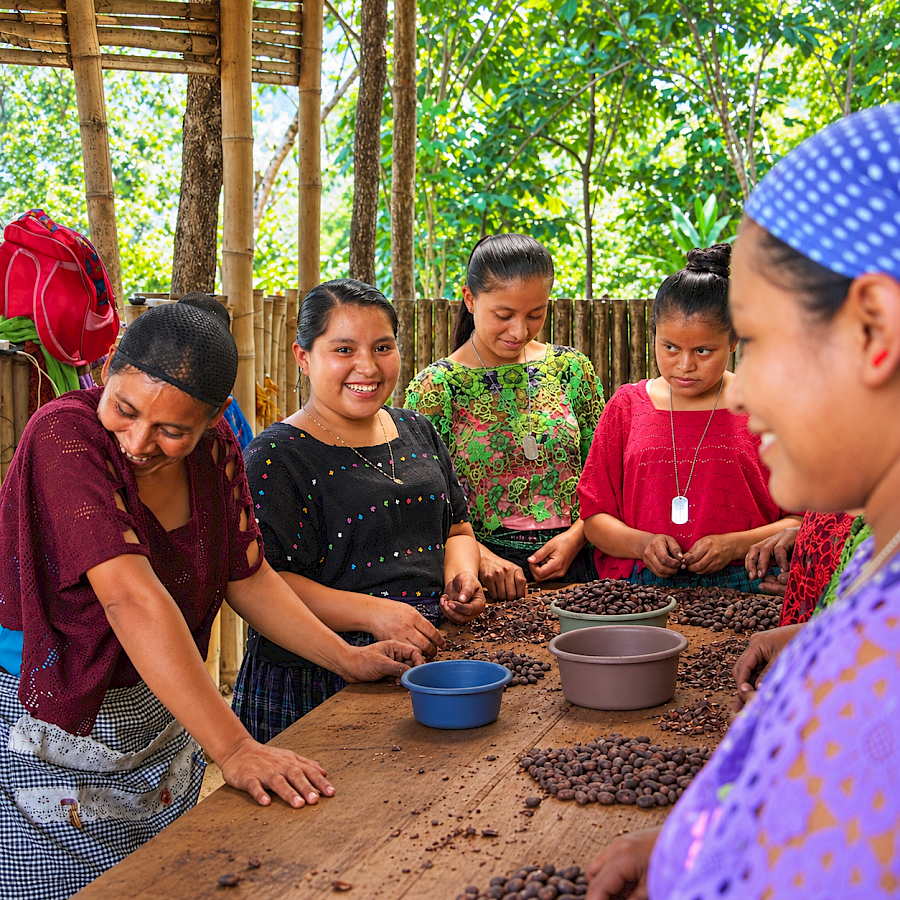
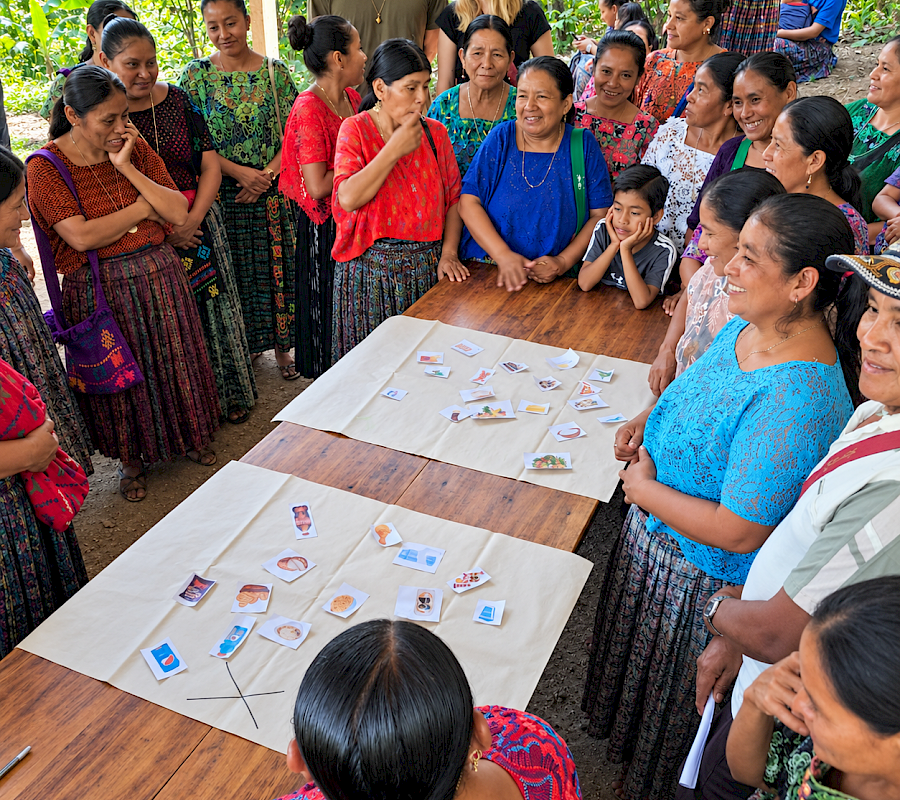
 Q'eqchi cacao is carefully hand-harvested, sun-dried, fire roasted and hand peeled by Q'eqchi women

100% Pure Cacao Paste

Awanimas  Q'eqchi cacao

Connect with the forests of Guatemala through our beautiful Awanima cacao, grown by Q’eqchi’ Maya family farmers in Lanquín, Alta Verapaz. Here, cacao grows within biodiverse food forests, alongside other trees and plants, nurtured through generations of knowledge and a close relationship with the land. This cacao reflects the people, landscape and living traditions of its origin.

Sourced through the Red Ratzum Collective, each batch is carefully fermented and sun-dried before being fire-toasted in small batches by Q’eqchi’ women and peeled by hand, bean by bean. This patient preparation honours local food traditions, while Awanima’s work supports fair livelihoods, opportunities for women and regenerative agroforestry that cares for soil, water and biodiversity.

The result is a pure, 100% cacao paste, thoughtfully prepared from forest to cup. Whether enjoyed as part of your morning practice, alongside meditation or simply for a quiet moment in your day, it offers an invitation to slow down and appreciate the care, community and connection behind every cup.


Transparency

Breakdown

  • Genetics: Blend of local varieties - forestero, criollo, and hybrids
  • Flavor Profile: Balanced, light fruity bitterness, soft vanilla notes, and a touch of citrus. Rich, complex flavors!
  • Fermentation: 8-12 days in large wooden boxes Drying: Slow in a Drying House Peeled: by hand Roasted
  • Environment: Small villages in mountain valleys. Young orchards of fruit forests, proximity to many homes, surrounded by wild nature. 
  • Region: Alta Verapaz, Guatemala
  • Altitude: 300m
  • Specifics: Agroforestry forest of mixed cacao across 3 villages
  • Ownership: 90 Q'eqchi families organized in a farmers cooperative


Did you know?

Our Awanima cacao is grown by Q’eqchi’ Maya family farmers in the mountainous region of Lanquín, Guatemala, where caring for cacao forms part of a wider relationship with the land. Local knowledge guides the growing and preparation of food, connecting livelihoods with the health of the surrounding forests.

Cacao Grown Within Living Forests

The cacao grows in biodiverse agroforestry systems, alongside trees, fruits, herbs and other plants. These layered food forests provide habitats for wildlife, help protect the soil and support a more resilient landscape, while providing families with a variety of crops.

Regenerating the Land

Through Awanima’s work in Lanquín, local land stewards help reforest mountainsides, restore soil and protect water sources. Q’eqchi’ ecological knowledge informs this work, with native species and ancestral farming practices contributing to the ongoing care and regeneration of the landscape.

Supporting People and Living Traditions

The Red Ratzum Collective works to secure fair prices for family farmers and create local employment, particularly for women. Fire-toasting and hand-peeling cacao help keep traditional food preparation skills in everyday use, connecting the finished cacao with the people and place behind it.

Deep in the forrest

Beyond the Cacao: Awanima Lanquín

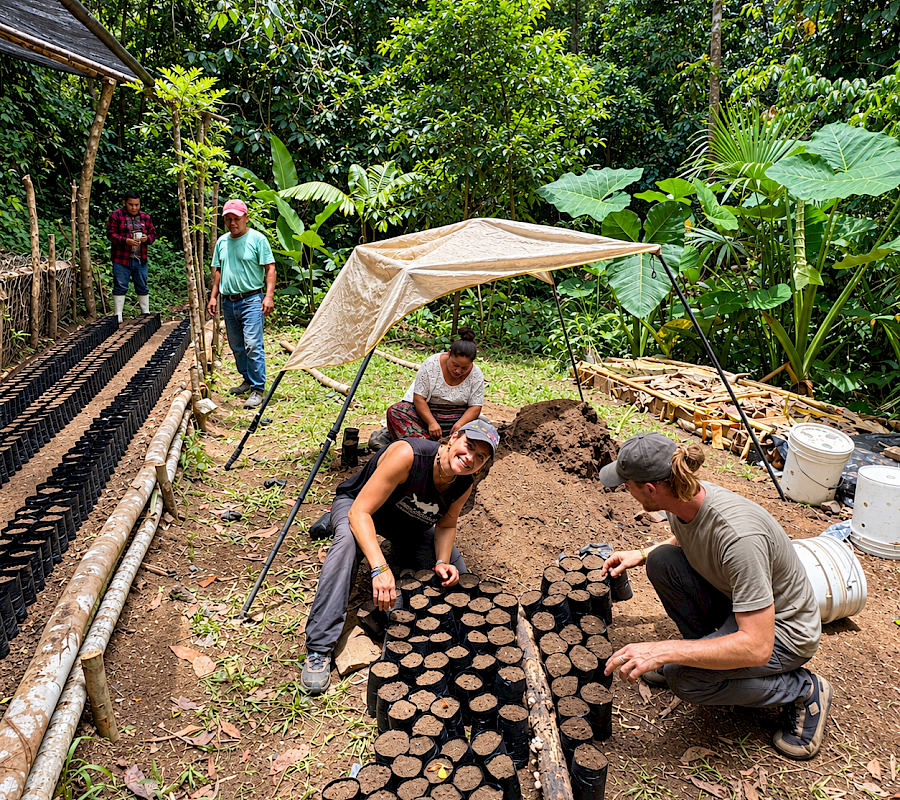
Awanima Lanquín is a regeneration centre in Guatemala where cacao, community and education come together. Working alongside Q’eqchi’ families through the Red Ratzum Collective, the project connects food production with local livelihoods, ecological restoration and the continued practice of traditional knowledge.

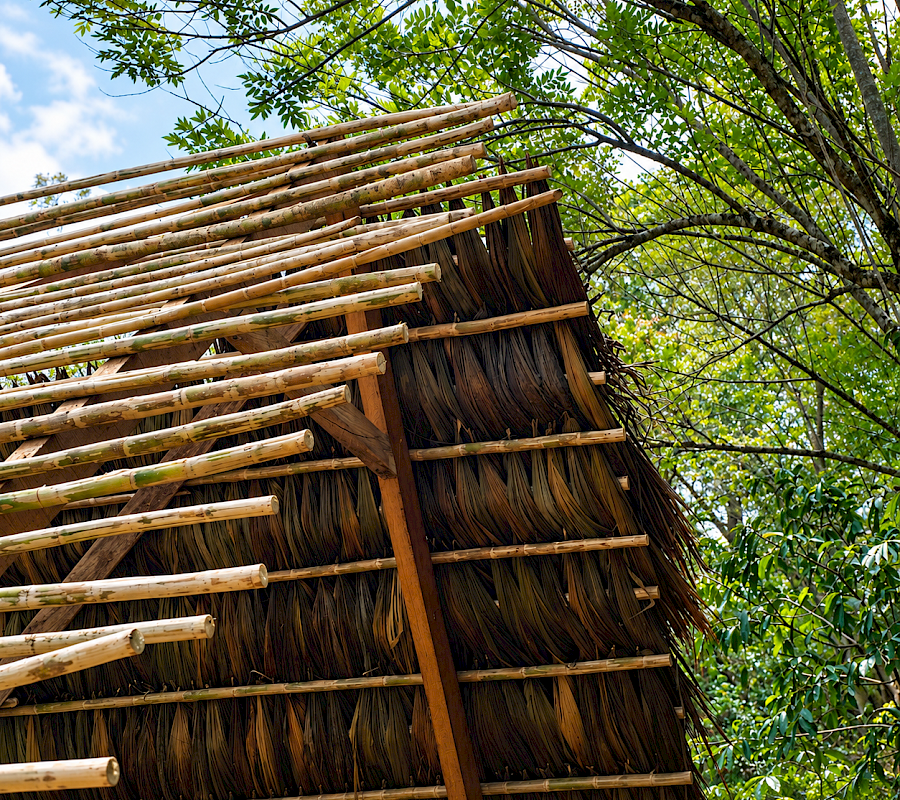
Its work extends beyond the cacao forests into natural building, soil restoration, water management and practical education. The centre develops and shares approaches to caring for the land that can also offer ideas for other communities.

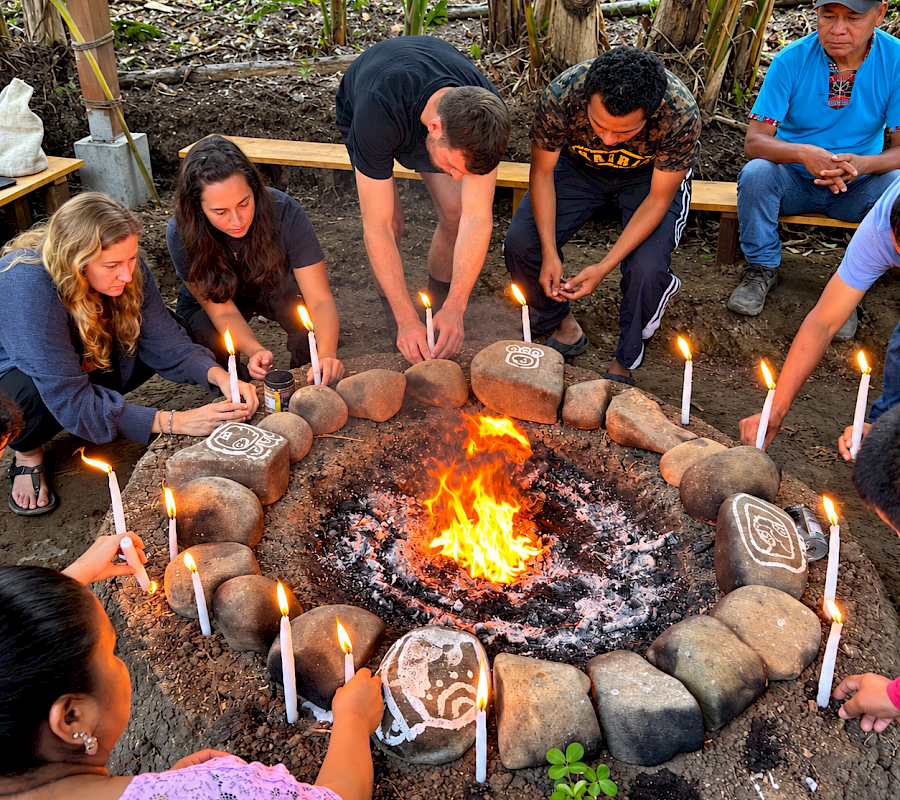
Visitors can explore this work through cacao tours, group experiences and workshops, learning more about where cacao comes from and the people who grow and prepare it. By welcoming people into the project, Awanima creates opportunities for cultural exchange and tourism that contributes to the local community and landscape.

Q’eqchi’

Knowing the People Behind Your Cacao

Awanima works directly with the farming families who grow its cacao, tracing it back to the land and people it comes from. These relationships help recognise the knowledge, care and labour behind every harvest, while supporting fair payment and long-term cooperation.

The care continues after harvesting. Each batch is fermented, sun-dried, fire-toasted in small batches by Q’eqchi’ women and peeled by hand, bean by bean. These skilled stages of preparation are an important part of the cacao’s story, creating local work and keeping traditional food practices in everyday use.

Discover more about Awanima Lanquín, the regeneration centre in Guatemala bringing together cacao, Q’eqchi’ farming families, ecological restoration and community education. Explore the project, meet the people behind the cacao and learn how their work supports the land and local livelihoods.

Explore Awanima Lanquín and its regeneration work →

Serving the community

Awanima’s Ongoing Initiatives

At its regeneration centre in Lanquín, Guatemala, Awanima works alongside Q’eqchi’ families to restore land and strengthen local livelihoods. Together, they cultivate diverse food forests, reforest mountainsides, improve soil health and care for water sources. Local land stewards guide this work, drawing on their knowledge of native plants, farming practices and the surrounding landscape.

Through the Red Ratzum Cacao Collective, Awanima works to secure fair prices for family farmers and create employment in food production and hospitality, particularly for women. Traditional skills, including fire-toasting and hand-peeling cacao, remain part of daily production, helping keep local food knowledge in active use.

Education and practical learning are also central to the project. Its ongoing initiatives include workshops, agroecology, natural building and the development of water and energy systems. By sharing what they learn, Awanima aims to make these approaches useful beyond the centre and support other communities interested in regeneration.

Discover more about Awanima Lanquín and its ongoing work →